

The Lifecycle of an Asphalt Shingle Roof
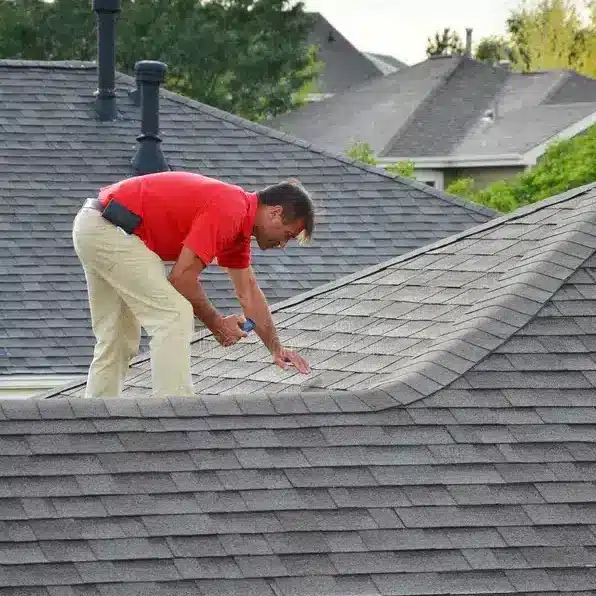
When it comes to protecting your home, your roof is the first line of defense against the elements. Among the many roofing materials available, asphalt shingles remain one of the most popular choices for homeowners across the country. They’re cost-effective, attractive, and durable—but like every part of your home, they have a lifespan. Understanding the lifecycle of an asphalt shingle roof can help you plan for maintenance, repairs, and eventual replacement.
Phase 1: Installation and Initial Performance (Years 0–5)
A properly installed asphalt shingle roof starts strong. During the first few years, shingles are in their prime—offering maximum protection, excellent curb appeal, and full manufacturer warranty coverage.
Key points in this stage:
- Shingles are flexible and well-sealed, resisting wind and water.
- The roof’s color and granules look fresh and even.
- Maintenance needs are minimal, usually limited to seasonal inspections.
Pro tip: Choose a qualified, certified roofing contractor to ensure your roof starts its life on the right foot. Poor installation can cut years off your roof’s lifespan.
Phase 2: Peak Performance (Years 5–15)
This is the longest and most reliable part of an asphalt roof’s life. Shingles still look good, and their protective features remain strong.
What to expect:
- Your roof can handle normal weather, including moderate storms.
- Annual inspections and occasional minor repairs (like sealing flashing) help extend its life.
- Most manufacturer warranties are still valid.
Pro tip: Keep gutters clean and free of debris to prevent water backup that can damage shingles and roof decking.
Phase 3: Signs of Wear and Aging (Years 15–20)
Even the best asphalt shingle roof begins to show age after 15 years, especially in climates with harsh winters or hot summers.
Common signs of wear:
- Granule loss, leaving bald spots on shingles.
- Curling or cracking edges.
- Faded or uneven coloration.
- Minor leaks or water stains in the attic.
Pro tip: Address small issues immediately. Replacing a few damaged shingles or resealing flashing can buy you more years before a full replacement.
Phase 4: End-of-Life and Replacement (Years 20–30)
Most asphalt shingle roofs last between 20 and 30 years, depending on shingle quality, installation, and local climate. At this stage, repairs become more frequent, and your roof’s ability to protect your home diminishes.
Signs it’s time for a new roof:
- Multiple leaks or widespread shingle damage.
- Shingles that are brittle, missing, or significantly warped.
- Visible sagging in the roof deck.
Pro tip: If your roof is nearing the end of its lifespan, start planning for replacement before major problems occur. This can help you avoid emergency repairs and water damage.
Extending the Lifecycle of Your Asphalt Roof
While you can’t stop time, you can maximize your roof’s lifespan with proactive care:
- Schedule annual inspections to catch small problems early.
- Keep gutters clear to prevent water damage.
- Trim overhanging branches to reduce the risk of impact damage.
- Ventilate your attic properly to prevent heat and moisture buildup.
Final Thoughts
The lifecycle of an asphalt shingle roof typically ranges from 20 to 30 years, with proper installation and maintenance being the key factors in achieving the upper end of that range. By understanding each phase—installation, peak performance, aging, and replacement—you can protect your investment, maintain your home’s value, and avoid costly surprises.
If your asphalt shingle roof is showing signs of wear, our experienced exterior renovations team can help. Contact us today for a roof inspection or replacement estimate and keep your home safe for decades to come. If you have further questions, we have the answers! If you would like to learn more about our exterior services and what we offer, please click here so that we can get in touch!
